
Affiliate Disclosure: This website is an independent affiliate site. We may earn a commission if you purchase through links on this page, at no extra cost to you. See our full disclosure and editorial policy.
There is a reason a heatwave leaves you feeling frayed, short-tempered and exhausted — and it is not just in your head. Heat directly disrupts sleep and pushes your nervous system toward a stressed state, and the two problems feed each other in a loop. A hot bedroom wrecks your rest; poor rest leaves you less able to handle stress; and elevated stress makes it even harder to fall asleep the next hot night.
The good news is that both halves of this loop are fixable, and neither requires a full home renovation. This guide covers the science of why heat and stress collide at night, then a practical playbook for breaking the cycle — cooling your space and calming your body — so you can actually rest through the summer.
Why Heat Sabotages Sleep
Your body doesn't just fall asleep on a schedule — it falls asleep on a temperature curve. In the evening, your core body temperature naturally drops by about one to two degrees, and that drop is one of the main biological signals that tells your brain it is time to sleep. A hot room fights this process directly. When the ambient temperature stays high, your body can't shed heat efficiently, the core-temperature drop is blunted, and sleep onset is delayed.
It gets worse once you are asleep. Heat fragments sleep architecture, cutting into the deep, slow-wave sleep and REM stages that do the real restorative work. You may technically be in bed for eight hours but wake up feeling like you got five — because the quality, not just the quantity, took the hit.
Sleep follows a temperature curve. Your core temperature needs to drop to trigger sleep — and a hot room blunts that drop, delaying sleep onset and fragmenting the deep, restorative stages.
The Heat–Stress Feedback Loop
Heat doesn't only affect sleep — it directly activates the sympathetic nervous system, the "fight-or-flight" branch that raises heart rate and keeps you alert. That is the opposite of what you want at bedtime. So on a hot night your body is being pushed toward arousal exactly when it should be winding down.
Then the loop closes: a night of poor, fragmented sleep leaves your stress-regulation systems depleted the next day, so you are more reactive, more anxious, and more physiologically primed for stress. Which, of course, makes the next hot night even harder. Breaking this cycle means addressing both levers at once — the temperature of your room and the state of your nervous system.
Lever One: Cool the Space (Realistically)
The first job is bringing the temperature down where you sleep. Not every solution requires central air — and for renters, most of the best options don't involve installation at all. But this is a category thick with marketing hype, so it pays to shop with clear eyes about what actually cools a room versus what just moves air around.
Here is the honest distinction most listings blur: most portable devices in this space are evaporative or personal-zone coolers, not refrigerant air conditioners. Evaporative units are brilliant at cooling you for pennies of electricity — a directed, cooler airstream in dry air — but they will not turn a humid room into a fridge. A true compressor AC will cool the whole room but costs more to run and often needs a window kit. Knowing which one you are buying is the single most important thing before you spend a cent.
Do your homework before buying: For honest, physics-first reviews of portable air conditioners and personal coolers — with a weighted scoring rubric, free BTU and energy-cost calculators, and a strict rule about never blurring "cooler" and "air conditioner" — FreezAir is one of the most rigorous independent sources we've found. It's the place to check a marketing claim against thermodynamics before you spend.
A few room-cooling basics that hold up regardless of which device you choose:
- Block the sun during the day. Close blinds and curtains on sun-facing windows before the room heats up — it's far easier to keep a room cool than to cool it down later.
- Create cross-ventilation at night. Once the outside air drops below your indoor temperature, open opposite windows or use a fan to pull cooler air through.
- Match the device to the room. Use a personal or evaporative cooler to cool yourself in a smaller space; reserve a compressor unit for a genuinely hot, humid room you need to chill fully. FreezAir's free BTU calculator helps size this correctly.
- Cool your body, not just the air. A cool shower before bed, breathable bedding and a directed airstream over the skin all help your core temperature make its natural evening drop.
Lever Two: Calm the Nervous System
Cooling the room addresses the environment. The second lever addresses your physiology directly — because even in a perfectly cool room, a nervous system stuck in fight-or-flight won't let you rest. This is where deliberately activating your body's relaxation response makes the difference.
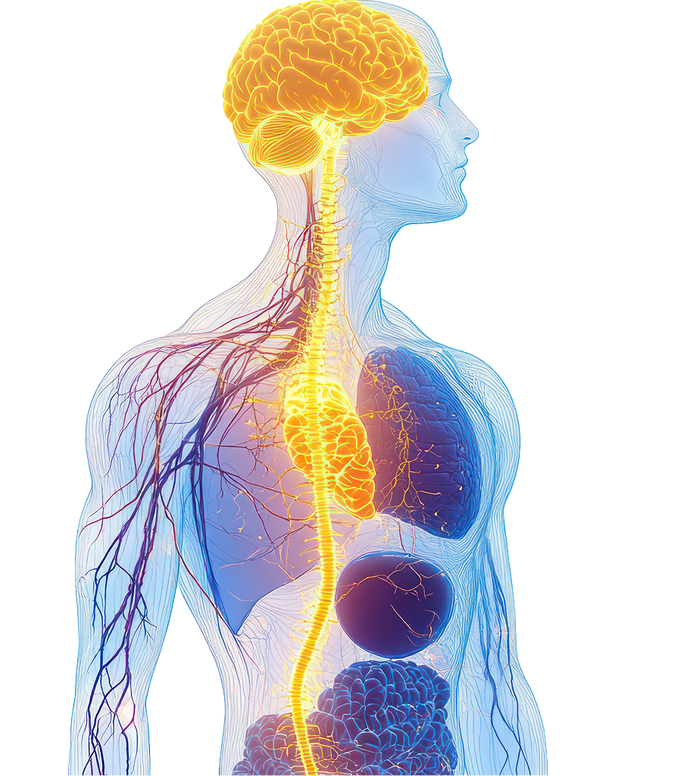
The most direct route to that relaxation response runs through the vagus nerve — the master switch of the parasympathetic ("rest-and-digest") nervous system. When the vagus nerve is stimulated, heart rate slows, breathing deepens, and the body shifts out of the stressed, heat-aggravated state that keeps you awake. Slow breathing, a warm-to-cool transition, and gentle vagus nerve stimulation all nudge the same system in the same direction.
Where Pulsetto fits into a summer wind-down
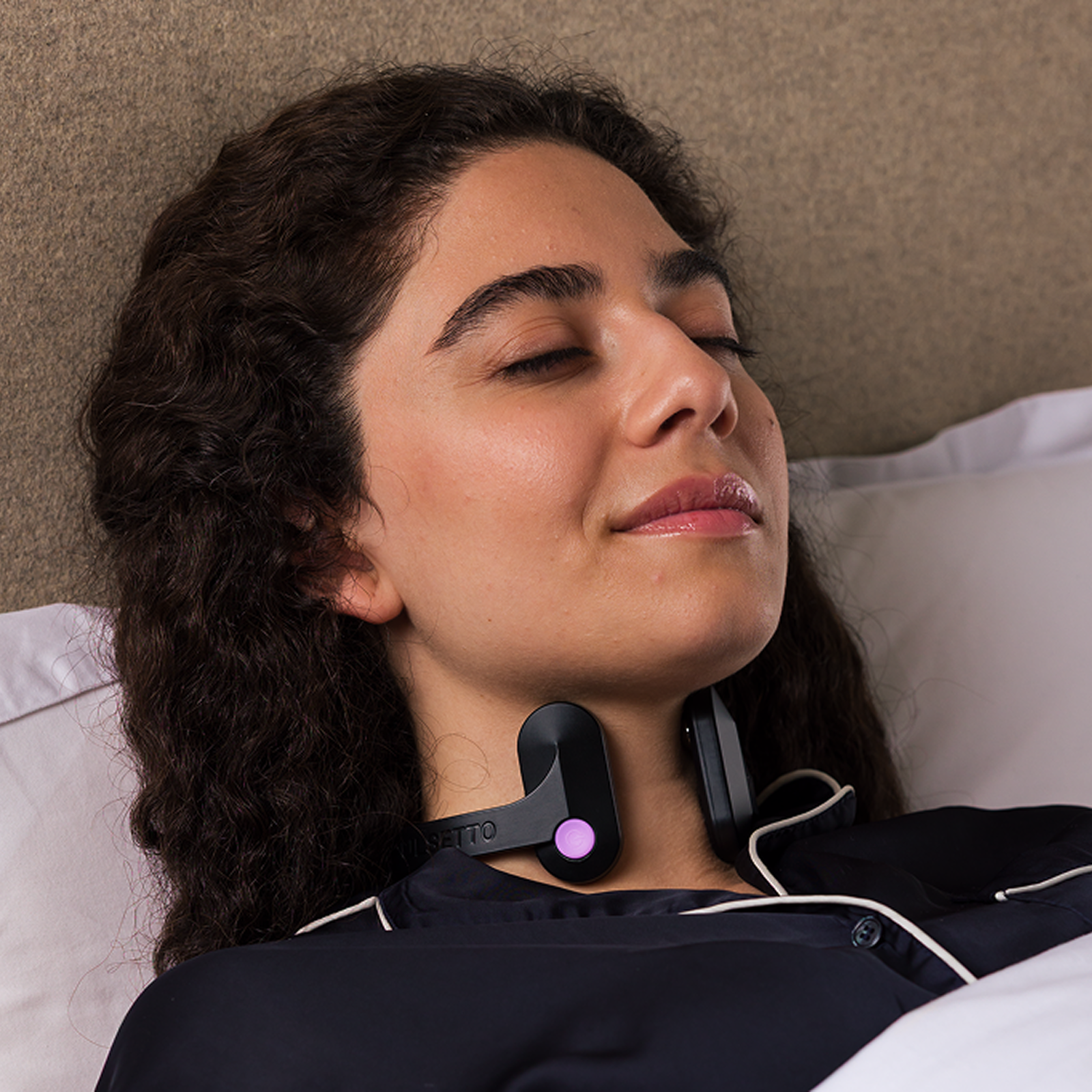
This is exactly the problem Pulsetto is built for. It's a neck-worn device that delivers gentle, non-invasive vagus nerve stimulation in about four minutes, with a dedicated deep-sleep program designed to ease the transition from wired to drowsy. On a hot, restless night — when your nervous system is being pushed toward arousal by the heat itself — a short session before bed is a way to actively steer your body back toward calm.
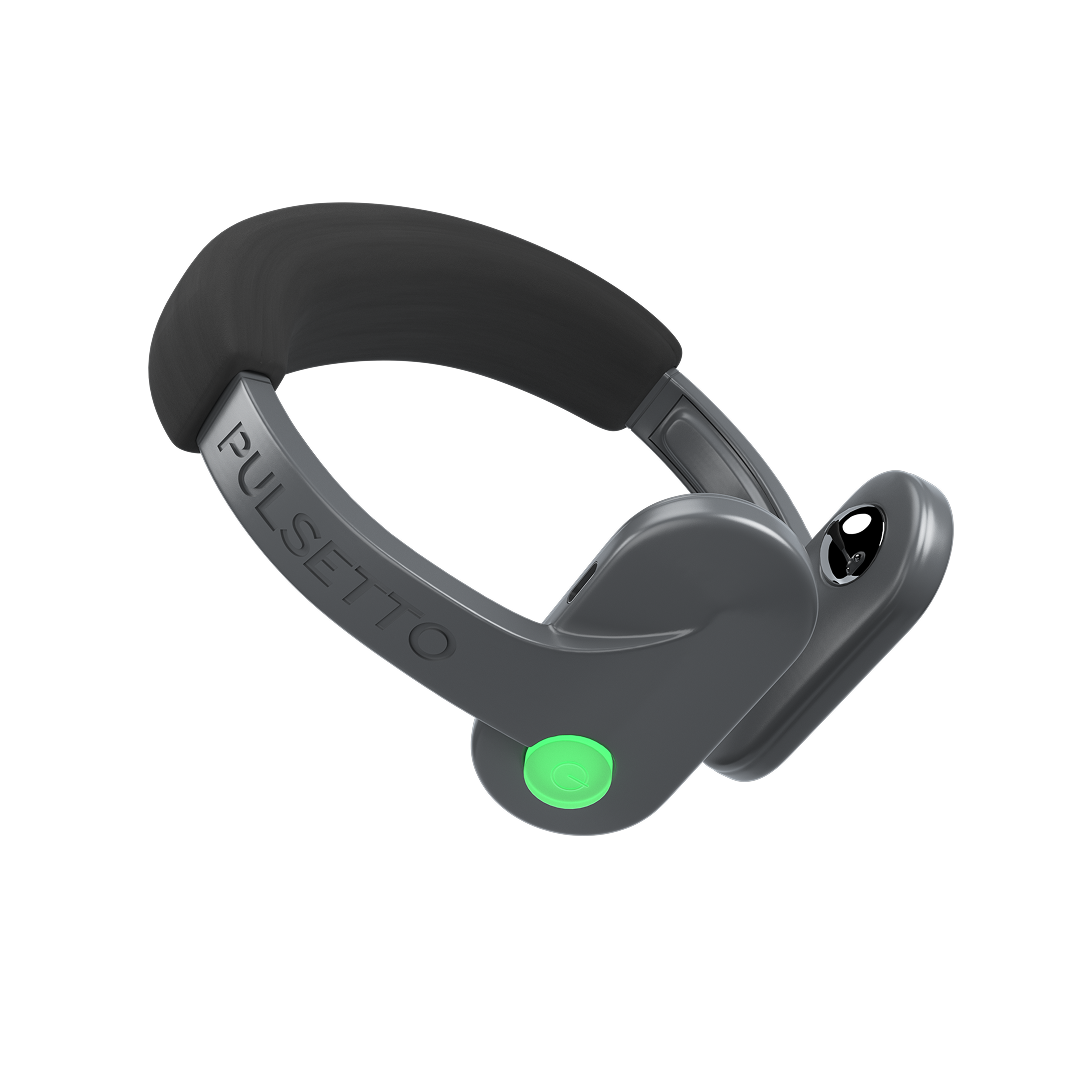
Pulsetto Vagus Nerve Stimulator
Pulsetto FIT bundle · Free shipping
$296 $570
✓ 30-day money-back guarantee · 2-year warranty
Order Pulsetto Now →Used together with a cooler room, it addresses the other half of the loop: not just the temperature, but the stressed nervous state that heat creates. You can read more in our full Pulsetto review.
Your Hot-Night Wind-Down Routine
Putting both levers together, here's a simple routine for a summer night that actually protects your sleep:
- Pre-cool the room in the evening — blinds closed during the day, device or cross-ventilation running before you head to bed.
- Take a cool (not cold) shower about an hour before sleep to help your core temperature start its downward curve.
- Run a short calming session — a few minutes of slow breathing or a vagus nerve stimulation program to shift out of fight-or-flight.
- Keep a directed airstream over the bed and use breathable bedding so your body can keep shedding heat as you fall asleep.
The Bottom Line
Heat and stress form a genuine feedback loop that wrecks summer sleep — but you break it by pulling both levers. Cool the space realistically (knowing whether you're buying a cooler or a true AC), and calm the nervous system directly so heat can't keep you locked in fight-or-flight. Do both, and a hot night stops meaning a lost night.
30-day money-back guarantee · Free shipping · 2-year warranty
Frequently Asked Questions
Why does heat make it so hard to sleep?
Falling asleep depends on your core body temperature dropping by one to two degrees in the evening — a key biological sleep signal. A hot room prevents your body from shedding heat efficiently, blunting that drop and delaying sleep onset. Heat also fragments deep and REM sleep, so you rest less even if you stay in bed the same number of hours.
What's the difference between a portable cooler and a real air conditioner?
Most portable devices are evaporative or personal-zone coolers — they cool you with a directed airstream for very little electricity, but won't chill a humid room. A true compressor air conditioner cools the whole room but costs more to run and often needs a window kit. Independent review sites like FreezAir make a point of never blurring the two, which is essential when shopping this category.
Can calming my nervous system really help me sleep in the heat?
Yes — heat pushes your body toward a stressed, alert "fight-or-flight" state, which is the opposite of sleep readiness. Activating the parasympathetic "rest-and-digest" response through slow breathing or vagus nerve stimulation counteracts that, slowing heart rate and deepening breathing so your body can settle even on a warm night.
How does Pulsetto help with heat-related sleep problems?
Pulsetto delivers gentle vagus nerve stimulation in about four minutes, with a deep-sleep program designed to shift the body from alert to relaxed. It addresses the nervous-system half of the heat–stress loop — used alongside a cooler room, it targets both the temperature and the stress state that keep you awake. It comes with a 30-day money-back guarantee.