How Vagus Nerve Stimulation Works: Science Behind Stress Relief
Vagus nerve stimulation stress relief explained: how it calms your nervous system, its science, benefits, and safe use. Read the complete guide.
Vagus nerve stimulation stress relief works by activating the vagus nerve, which switches your body from the fight-or-flight state into the rest-and-digest state, lowering heart rate and calming the mind. This activation triggers a deep relaxation response that reduces the physical symptoms of stress within minutes. Below, we explain the science, the mechanisms, and how modern devices apply this principle at home.
Key Takeaways
- The vagus nerve is the main pathway of the parasympathetic nervous system, controlling your “rest-and-digest” relaxation response.
- Stimulating it (via breathing, cold exposure, or electrical devices) shifts the body out of chronic stress.
- Vagal stimulation is measured through heart rate variability (HRV) — higher HRV signals better stress resilience.
- Non-invasive vagus nerve stimulators apply gentle electrical pulses to the skin of the neck, requiring no medication.
- Consistent, short daily sessions (around 4 minutes) can support better sleep and lower anxiety over time.
What Is the Vagus Nerve?
The key takeaway: The vagus nerve is the longest cranial nerve in your body and the primary controller of your relaxation response.
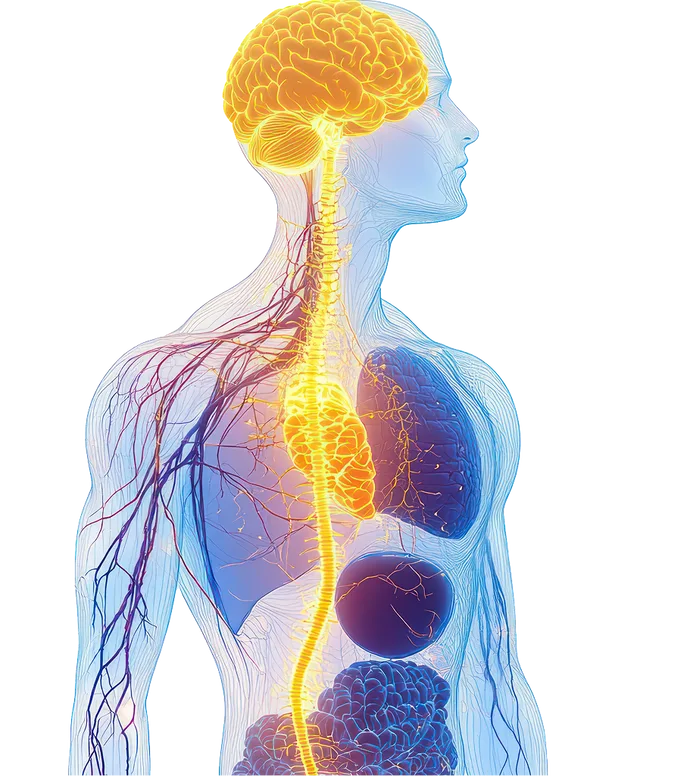
The vagus nerve runs from the brainstem down through the neck and into the chest and abdomen, connecting to the heart, lungs, and digestive tract. Its name comes from the Latin word for “wandering,” reflecting how widely it branches across the body.
It is the key component of the parasympathetic nervous system — the counterbalance to the sympathetic “fight-or-flight” system. When the vagus nerve is active, your heart rate slows, digestion improves, and your body enters a state of calm. According to the National Institute of Neurological Disorders and Stroke (NINDS), this nerve carries signals in both directions between the brain and organs.
Vagal Tone: The Measure That Matters
In summary: Vagal tone reflects how efficiently your vagus nerve activates the relaxation response, and it can be measured through heart rate variability.
Higher vagal tone means your body recovers from stress faster and returns to baseline more easily. Lower vagal tone is associated with chronic stress, poor sleep, and elevated anxiety. The most common way to estimate vagal tone is heart rate variability (HRV) — the natural variation in time between heartbeats.
How Vagus Nerve Stimulation Delivers Stress Relief
The key takeaway: Vagus nerve stimulation activates the parasympathetic system directly, physically switching off the stress response rather than just distracting from it.
Vagus nerve stimulation stress relief operates on a simple biological principle: when the vagus nerve fires, it releases acetylcholine, a neurotransmitter that slows the heart and relaxes smooth muscle. This is the opposite of the adrenaline-driven stress cascade.
When the nerve is stimulated, it sends signals to the nucleus tractus solitarius in the brainstem, which then influences regions tied to mood and emotional regulation, including the amygdala and prefrontal cortex. In practical terms, your racing thoughts slow down and your body physically de-escalates.
The Three Ways to Stimulate the Vagus Nerve
In summary: You can stimulate the vagus nerve naturally through behavior or directly through electrical devices.
- Behavioral methods: slow diaphragmatic breathing, cold water exposure, humming, chanting, and gargling all mildly activate the nerve.
- Invasive stimulation: a surgically implanted device, historically used for epilepsy and treatment-resistant depression, approved by the U.S. Food and Drug Administration (FDA) for specific medical conditions.
- Non-invasive (transcutaneous) stimulation: external devices that apply gentle electrical pulses through the skin of the neck or ear, no surgery required.
“The vagus nerve is a critical link between the body and the brain — it is really important for controlling mood, immune response, digestion, and heart rate.”
— Dr. Kevin Tracey, Neurosurgeon and President of the Feinstein Institutes for Medical Research
The Science: What Research Shows

The key takeaway: A growing body of clinical research links vagal stimulation to reduced stress markers, improved HRV, and lower anxiety.
Studies on non-invasive vagal stimulation have observed measurable increases in heart rate variability and reductions in cortisol, the body’s primary stress hormone. Research published in academic databases such as PubMed (National Library of Medicine) documents its effects on the autonomic nervous system.
The mechanism is consistent across studies: stimulating the vagus nerve raises parasympathetic activity while dampening sympathetic overactivity. This is why users often report feeling calmer, sleeping more deeply, and experiencing fewer stress-related physical symptoms.
Our Editorial Perspective on What This Means Day to Day
In our analysis of how these mechanisms translate to everyday routines, the most overlooked factor is consistency rather than intensity. We’ve found that short, repeated sessions tend to matter more than occasional long ones, because vagal tone is trained like a muscle — small daily activation gradually raises your baseline resilience.
We recommend pairing device-based stimulation with one behavioral method, such as slow nasal breathing, to reinforce the same neural pathway from two directions. This combined approach is a practical insight rarely spelled out in general overviews of the topic.
Non-Invasive Vagus Nerve Stimulators: How Home Devices Work
In summary: Modern wearable stimulators deliver gentle electrical pulses to the skin over the vagus nerve, offering natural relaxation without medication.
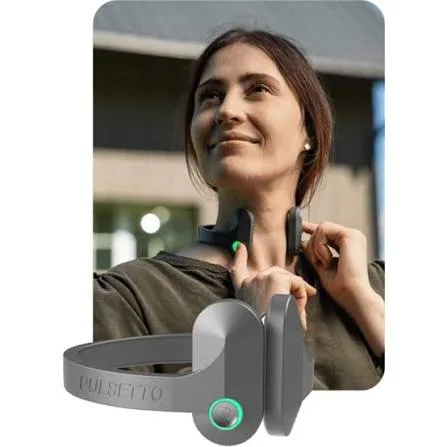
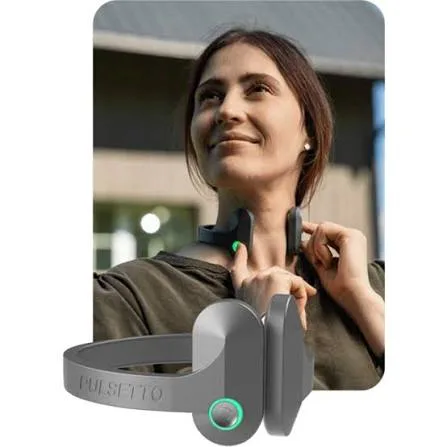
These devices target the branch of the vagus nerve accessible through the neck. Electrodes make contact with the skin and emit low-level pulses calibrated to activate the nerve without discomfort, as shown in the image below.
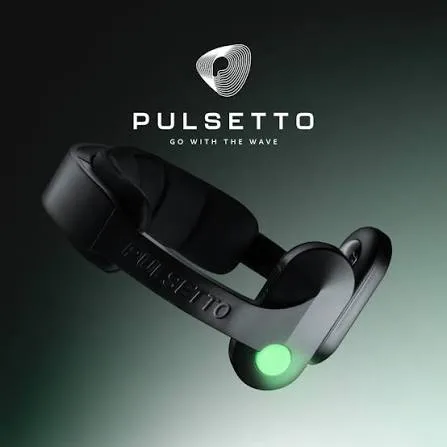
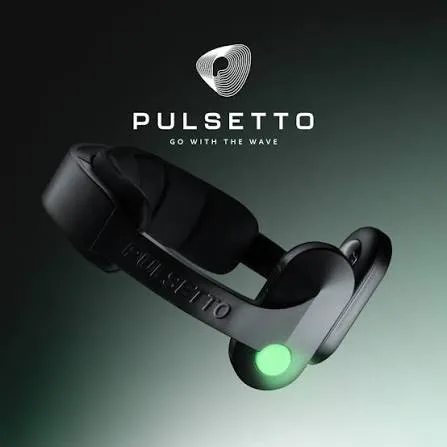
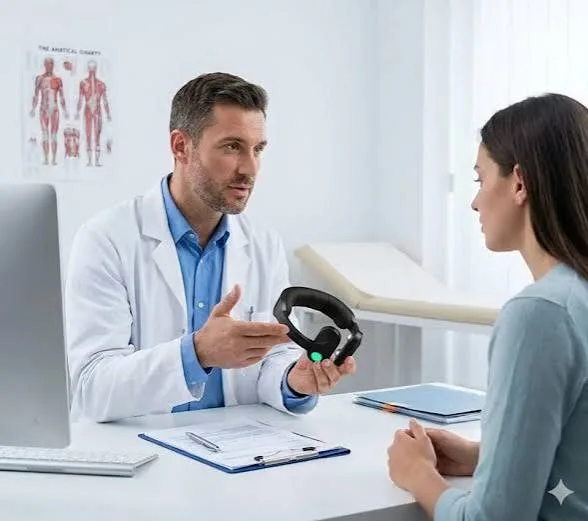
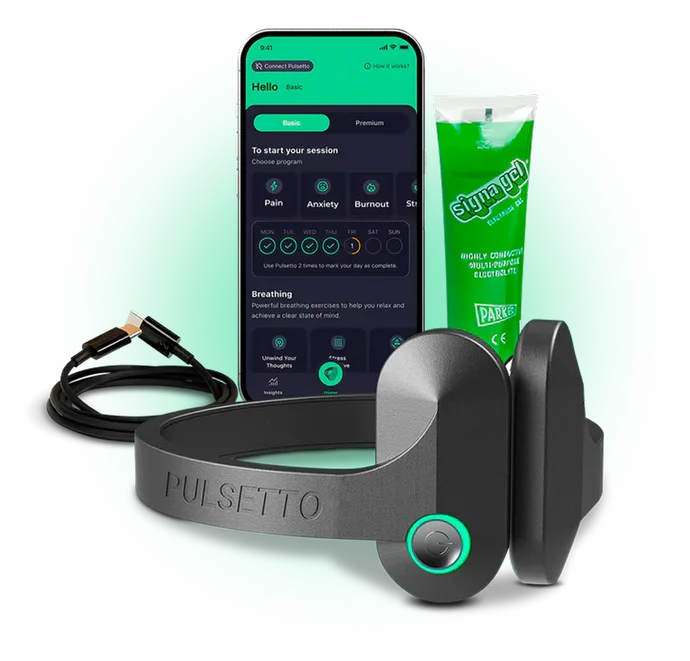
One example in this category is Pulsetto, a doctor-recommended vagus nerve stimulator designed for at-home use. It applies soft stimulation to support a deep relaxation response, requiring only about four minutes per day and no medication. Products like this gained visibility after crowdfunding campaigns on platforms such as Indiegogo and coverage in outlets including Men’s Health.
Pros
- No medication or surgery required
- Short daily sessions fit busy schedules
- Targets the root stress-response pathway, not just symptoms
- May support better sleep and lower anxiety over time
Cons
- Results build gradually with consistent use
- Not a replacement for medical treatment of diagnosed conditions
- Individual response varies
- Best used alongside healthy sleep and stress habits
For readers who want the full technical breakdown of how one such device operates, the Pulsetto official website outlines its stimulation settings and intended uses.
What Better Sleep Has to Do With It
The key takeaway: A calmer nervous system before bed supports deeper, more restorative sleep.
Because vagal activation lowers heart rate and quiets the stress response, using stimulation in the evening can ease the transition into sleep. Many users pursue improved sleep quality as a primary benefit, since chronic stress and poor sleep reinforce each other in a loop.
Comparing Methods of Vagus Nerve Stimulation
In summary: Each stimulation method differs in convenience, cost, and intensity — the right choice depends on your goals.
| Method | Invasiveness | Typical Use Case | Effort Required |
|---|---|---|---|
| Breathing / humming | None | Everyday stress management | Daily practice |
| Cold exposure | None | Quick nervous-system reset | Uncomfortable for many |
| Non-invasive stimulator | None (external) | Relaxation, sleep, anxiety support | ~4 min/day |
| Implanted device | Surgical | Epilepsy, treatment-resistant depression | Medical supervision |
Health disclaimer: This article is educational and not medical advice. Vagus nerve stimulation is not a cure for any condition. If you have a heart condition, a pacemaker, epilepsy, or are pregnant, consult a qualified healthcare professional before using any stimulation device.
Frequently Asked Questions
What is vagus nerve stimulation for stress relief?
Vagus nerve stimulation for stress relief is the practice of activating the vagus nerve — through breathing, cold exposure, or gentle electrical devices — to trigger the body’s parasympathetic relaxation response. This lowers heart rate, reduces cortisol, and calms the mind, helping counteract chronic stress and anxiety without medication.
How does vagus nerve stimulation work in the body?
When the vagus nerve is stimulated, it releases acetylcholine and sends signals to the brainstem that increase parasympathetic activity. This slows the heart, relaxes muscles, and dampens the fight-or-flight response, producing a measurable shift toward calm, often reflected in higher heart rate variability.
Is non-invasive vagus nerve stimulation safe?
For most healthy adults, non-invasive stimulation using gentle skin-level pulses is considered low-risk when used as directed. However, people with pacemakers, heart conditions, epilepsy, or who are pregnant should consult a doctor first. Non-invasive devices differ from surgically implanted stimulators, which require medical supervision.
How long before vagus nerve stimulation reduces stress?
Some people notice an immediate calming effect within minutes of a session, as the parasympathetic response engages. Longer-term benefits like improved sleep quality and lower baseline anxiety typically build with consistent daily use over several weeks, since vagal tone strengthens gradually.
Can vagus nerve stimulation help with sleep?
Yes. Because vagal activation lowers heart rate and quiets the stress response, using stimulation in the evening can ease the transition into sleep. Improved sleep is one of the most commonly reported benefits, as calming the nervous system helps break the stress-and-insomnia cycle.
Conclusion
The key takeaway: Vagus nerve stimulation offers a science-backed, drug-free way to activate your body’s own relaxation system.
Rather than masking symptoms, vagus nerve stimulation stress relief targets the root of the stress response — the balance between your sympathetic and parasympathetic nervous systems. Whether through breathing techniques or a non-invasive device, the goal is the same: raise vagal tone and build lasting resilience.
Consistency is what turns a temporary calm into a stronger baseline over time, supporting both mental and physical well-being.
If this guide has convinced you that training your relaxation response is worth pursuing, a doctor-recommended tool can make daily practice effortless. Pulsetto is a vagus nerve stimulator built around exactly this science, using gentle stimulation to help you relax, sleep better, and manage stress in about four minutes a day — with no medication involved. It is a natural next step for readers ready to put the mechanism into practice.