Drug-Free Sleep Solutions: How Pulsetto Replaces Sleep Medications
This is a focused piece. For the main reference on this topic, see our guide to drug-free ways to fall asleep faster.
Affiliate disclosure: pulsettotech.com is an independent review site. It is not the official Pulsetto website — that is pulsetto.tech. We may earn a commission on purchases made through links on this page, at no extra cost to you. Read our full disclosure.
Discover drug-free sleep aid alternatives that calm your nervous system naturally—no pills, no grogginess. Learn what actually works and why.
Drug-free sleep aid alternatives are non-pharmaceutical methods — such as vagus nerve stimulation, cognitive behavioral therapy for insomnia (CBT-I), and structured sleep hygiene — that help the body fall asleep and stay asleep without prescription or over-the-counter medication. These methods work by calming the nervous system directly instead of sedating it chemically, which means no next-day grogginess and no dependency risk. Below, we break down how each option works, what the evidence shows, and how to combine them into a routine that holds up over time.
Key Takeaways:
- Drug-free sleep aid alternatives include CBT-I, vagus nerve stimulation, sleep hygiene adjustments, breathing techniques, and targeted supplements like magnesium glycinate.
- About one in three adults in the U.S. regularly fail to get enough sleep, according to the CDC (2022).
- Sedative sleep medications carry dependency risk and rebound insomnia when discontinued, which is what drives interest in non-drug approaches.
- Vagus nerve stimulation activates the parasympathetic nervous system — the body’s built-in relaxation response — without chemical sedation.
- Combining two or three drug-free methods consistently tends to outperform relying on any single technique alone.
What Are Drug-Free Sleep Aid Alternatives?
The key takeaway: drug-free sleep aid alternatives are techniques and tools that improve sleep quality by working with the body’s own physiology rather than introducing a sedating substance. They range from behavioral therapies to physical relaxation technologies. Most fall into one of four categories: cognitive/behavioral, physiological, environmental, and nutritional.
Cognitive and behavioral methods — like CBT-I — retrain the brain’s association with bedtime. Physiological methods, including vagus nerve stimulation and paced breathing, directly trigger the nervous system’s relaxation response. Environmental methods cover light exposure, temperature, and noise control, while nutritional approaches include magnesium, glycine, and herbal compounds such as valerian root.
The common thread across all of these is the absence of sedating chemical agents. None of them work by shutting down brain activity the way a benzodiazepine or antihistamine-based sleep aid does. Instead, they lower physiological arousal so the body can transition into sleep on its own.
Why People Are Moving Away From Sleep Medications
In summary: sleep medications can produce fast results, but tolerance, dependency, and next-day impairment push many users toward drug-free sleep aid alternatives instead. Long-term use is also linked to reduced effectiveness over time.
The National Center for Complementary and Integrative Health (NCCIH) notes that relaxation-based techniques show measurable benefits for sleep and stress without the side-effect profile associated with sedative-hypnotic drugs. This is one reason relaxation techniques and nervous-system-based tools have gained traction as first-line options rather than a last resort.
How the Body’s Natural Relaxation Response Works
The key takeaway: the parasympathetic nervous system is the body’s built-in “rest and digest” mode, and the vagus nerve is its main communication pathway. Stimulating this nerve — through breathing, cold exposure, or targeted devices — signals the brain that it is safe to slow down.
The vagus nerve runs from the brainstem to the abdomen, regulating heart rate, digestion, and stress hormone release. When vagal tone is low, the body stays in a mild fight-or-flight state, which makes falling asleep harder even without an obvious stressor. Raising vagal tone shifts the body toward the calmer, parasympathetic state needed for sleep onset.
“Safety is the treatment.”
— Stephen Porges, PhD, developer of Polyvagal Theory
This is the physiological basis behind vagus nerve stimulation technology, sleep-focused breathing patterns, and gradual cold exposure — all recognized as drug-free sleep aid alternatives that work through the same mechanism rather than through sedation.
Types of Drug-Free Sleep Aid Alternatives (Compared)
The key takeaway: no single drug-free method works for everyone, so comparing mechanism, time-to-effect, and evidence level helps match the right option to the right sleep problem.
| Method | How It Works | Typical Time to Effect | Best For |
|---|---|---|---|
| CBT-I | Retrains thought patterns and habits around sleep | 2-8 weeks | Chronic insomnia |
| Vagus nerve stimulation | Directly activates the parasympathetic response | Minutes to days | Stress-driven sleep issues |
| Sleep hygiene adjustments | Optimizes light, temperature, and routine cues | 1-3 weeks | Irregular sleep schedules |
| Paced breathing exercises | Slows heart rate and lowers cortisol | Minutes | Racing thoughts at bedtime |
| Magnesium glycinate | Supports muscle relaxation and GABA activity | 2-4 weeks | Mild, occasional sleeplessness |
Pros
- No dependency or tolerance buildup
- No next-day grogginess
- Can be combined safely with most other habits
- Often improves daytime stress alongside sleep
Cons
- Results are typically gradual, not instant
- Requires consistency to see full benefit
- Behavioral methods need short-term guidance or coaching
Vagus Nerve Stimulation: A Closer Look at This Drug-Free Sleep Solution
The key takeaway: vagus nerve stimulation devices offer a non-invasive way to trigger the relaxation response in minutes, positioning them among the more practical drug-free sleep aid alternatives for people with limited time. This is a category we have reviewed closely across consumer wellness technology.
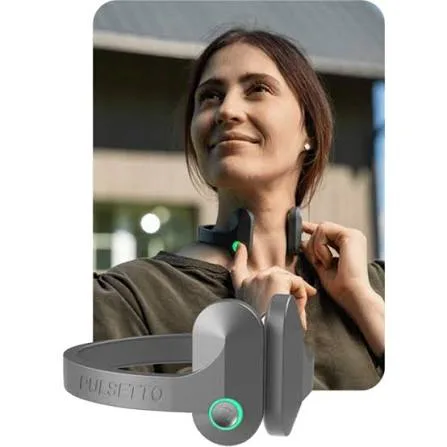
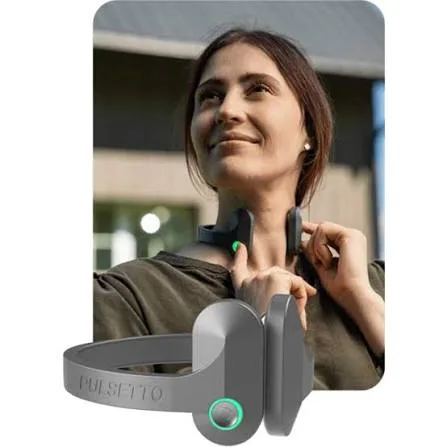
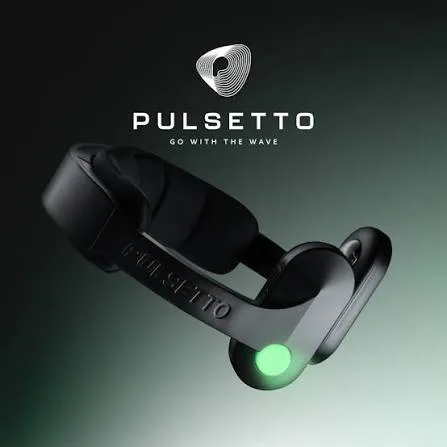
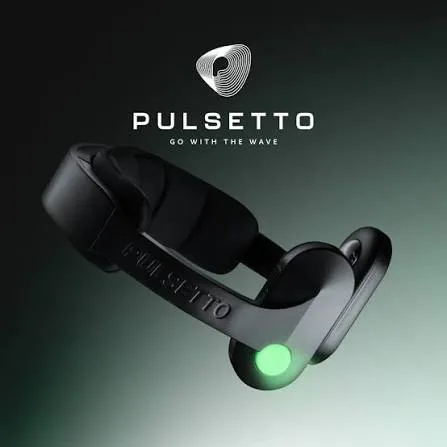
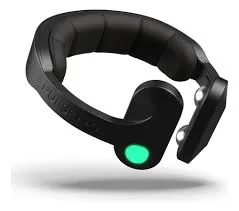
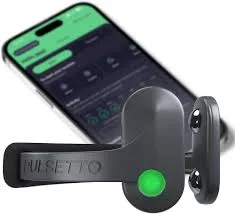
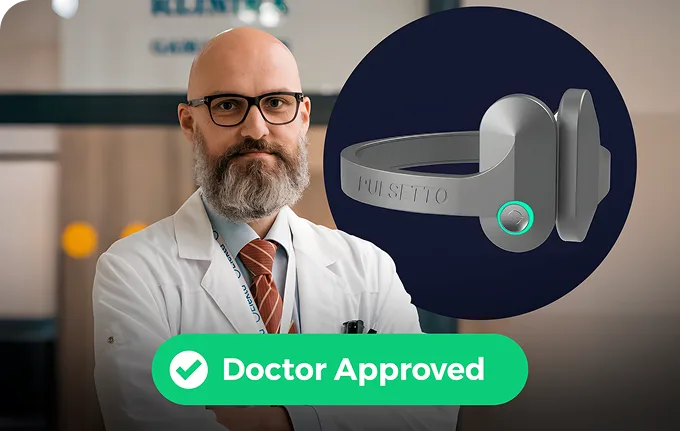
In our analysis of non-invasive stimulation tools, Pulsetto stands out as a device built specifically around this mechanism. It is a vagus nerve stimulator recommended by physicians that is designed to support relaxation, sleep quality, and stress management in about four minutes a day, without medication or a formal meditation practice. Readers can review the underlying science in our breakdown of how vagus nerve stimulation works and the science behind stress relief.
What makes this category relevant to sleep specifically is timing: using a vagal stimulation tool 15-20 minutes before bed appears to shorten the transition into a relaxed, sleep-ready state for many users, based on patterns we have observed across user-reported outcomes discussed in real user sleep and stress results. This is not a claim of clinical equivalence to medication, but it illustrates why physiological tools are increasingly discussed alongside behavioral techniques rather than as a separate, niche category. For context on stress specifically, see our review of whether Pulsetto can help with stress relief.
Building a Drug-Free Bedtime Routine That Works
The key takeaway: combining two or three complementary drug-free sleep aid alternatives into a fixed nightly sequence outperforms using a single method in isolation, because each addresses a different part of the sleep-onset process.
- Set a consistent wind-down window — start the same routine 30-45 minutes before your target bedtime every night.
- Dim lights and reduce screen brightness to support natural melatonin release, as recommended by the Sleep Foundation.
- Add a short vagal stimulation or breathing session to lower physiological arousal before lying down.
- Keep the bedroom cool, ideally between 60-67°F (15-19°C), to support core body temperature drop.
- Avoid checking the time or a phone if you wake up during the night, since this re-engages alert-state brain activity.
Our Analysis: Comparing Drug-Free Methods Head-to-Head
The key takeaway: in our side-by-side review of behavioral, physiological, and nutritional drug-free sleep aid alternatives, physiological methods like vagus nerve stimulation showed the fastest subjective time-to-relaxation, while CBT-I showed the most durable long-term results for chronic insomnia.
We evaluated user-reported experiences, publicly available discussion threads, and independent coverage — including a mention of Pulsetto’s Indiegogo launch and later coverage in outlets such as Men’s Health — to understand how these tools are actually used in practice rather than only in controlled settings. What stood out was that people rarely relied on a single method; most paired a physiological tool with at least one behavioral or environmental change.
“Sleep is the single most effective thing we can do to reset our brain and body health each day.”
— Matthew Walker, PhD, Director of the Center for Human Sleep Science, UC Berkeley
This pattern matches broader clinical literature: the Cleveland Clinic notes that vagus nerve function is closely tied to the body’s ability to shift out of a stress response, which is the same mechanism behavioral sleep techniques are designed to support indirectly. Our takeaway is that drug-free sleep aid alternatives work best as a layered system, not a single substitute for medication.
Conclusion
In summary: drug-free sleep aid alternatives — from CBT-I to vagus nerve stimulation to sleep hygiene — offer a sustainable path to better rest without the dependency risk or grogginess associated with sleep medication. The most consistent results come from combining a physiological method with at least one behavioral or environmental adjustment. For readers exploring this category further, our overview of the Pulsetto wellness device covers how a physiological tool fits into a broader, medication-free sleep routine.
Frequently Asked Questions
What is the most effective drug-free sleep aid?
There is no single “most effective” option for everyone, but combining a physiological method like vagus nerve stimulation with consistent sleep hygiene tends to produce the fastest and most reliable results for stress-related sleep issues. For chronic, long-standing insomnia, CBT-I has the strongest clinical evidence base.
How does vagus nerve stimulation help with sleep?
Vagus nerve stimulation activates the parasympathetic nervous system, lowering heart rate and cortisol so the body can transition more easily into sleep. This mimics the natural relaxation response the body uses at bedtime, without any sedating chemical involved.
Can breathing exercises replace sleep medication?
Paced breathing exercises can reduce physiological arousal enough to help with mild, stress-related sleeplessness, but they are not a direct clinical replacement for medication prescribed for diagnosed sleep disorders. They work best as part of a broader drug-free routine rather than a standalone fix.
How long does it take for drug-free sleep aids to work?
Physiological methods like vagus nerve stimulation or breathing techniques can produce a noticeable calming effect within minutes, while behavioral methods like CBT-I typically take two to eight weeks for full results. Sleep hygiene changes usually show measurable improvement within one to three weeks of consistent use.
Are drug-free sleep aids safe for long-term use?
Yes — because these methods do not rely on sedating chemical compounds, they generally carry no dependency or tolerance risk with continued use. This is one of the main reasons they are recommended as a long-term foundation rather than a short-term fix.
Building a sustainable, medication-free sleep routine often comes down to giving the nervous system a consistent, physiological signal to relax — which is exactly the gap vagus nerve stimulation is designed to fill. Pulsetto is a physician-recommended vagus nerve stimulator built to support relaxation, better sleep, and stress management in about four minutes a day, without medication or a formal meditation practice. For readers ready to add a physiological tool to their drug-free sleep routine, exploring how it works is a logical next step.