Can Pulsetto help with stress relief?
Pulsetto for stress relief: how vagus nerve stimulation works, real benefits, and what to expect in just 4 minutes a day.
Pulsetto for stress relief works by delivering gentle electrical stimulation to the vagus nerve through the neck, a mechanism that activates the parasympathetic nervous system and helps the body shift out of a stress response within minutes. Research on vagal nerve stimulation supports this non-invasive approach for calming an overactive nervous system, lowering heart rate, and supporting better sleep quality. Below, we break down how the device functions, what the science shows, and how to determine whether it fits into a daily stress management routine.
Key Takeaways:
- Pulsetto is a wearable vagus nerve stimulator designed to trigger a relaxation response in about 4 minutes per session.
- Vagal stimulation is associated with reduced cortisol activity, lower heart rate, and improved heart rate variability (HRV).
- Pulsetto for stress relief does not require medication and is intended as a complementary, non-invasive tool for daily wellness routines.
- The device has been featured in Men’s Health and covered on Netflix, and it was originally introduced to the public through an Indiegogo crowdfunding campaign.
What Is Pulsetto and How Does It Relate to Stress Relief?
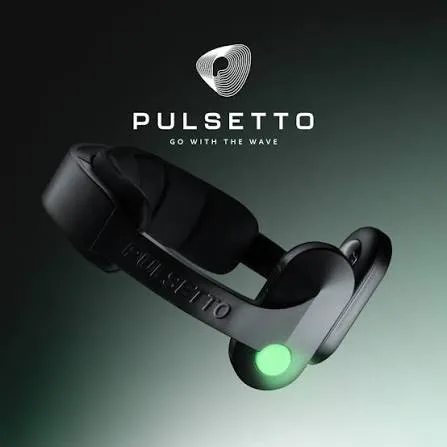
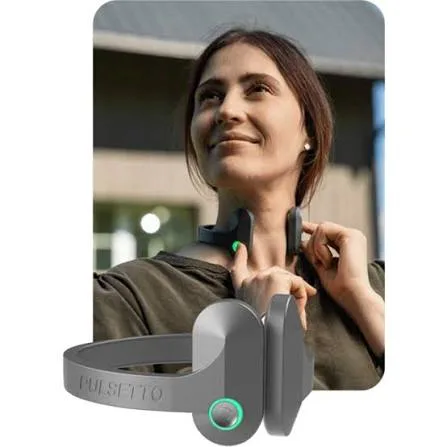
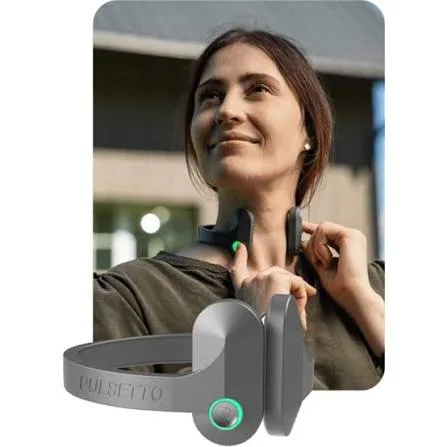
The key takeaway: Pulsetto is a wearable device that clips around the neck and uses mild electrical pulses to stimulate the vagus nerve, the body’s main pathway for triggering relaxation.
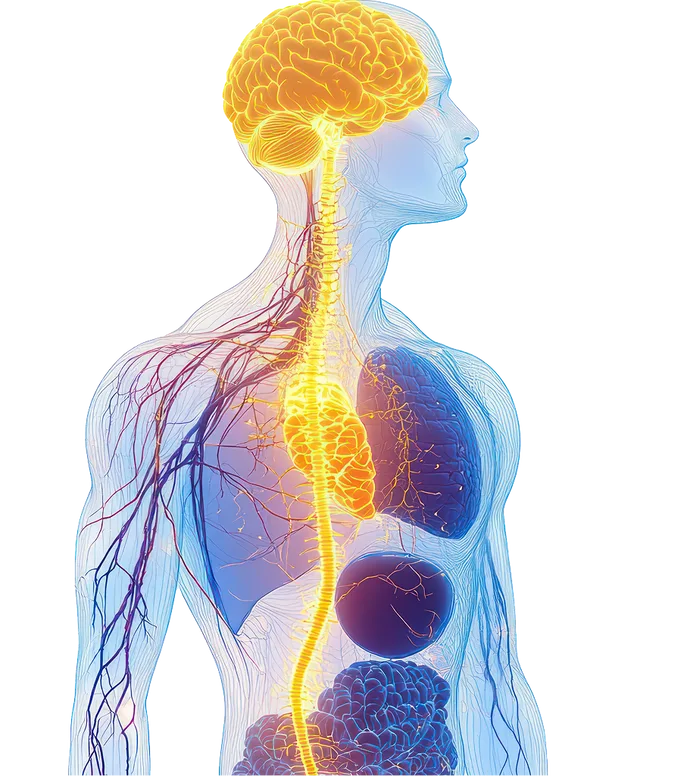
The vagus nerve runs from the brainstem down through the neck, chest, and abdomen, connecting to organs that regulate heart rate, digestion, and breathing. When this nerve is stimulated, it signals the body to move from a “fight-or-flight” state into a calmer, restorative state known as “rest-and-digest.” This is the physiological basis behind why vagal nerve stimulation has been studied for stress, anxiety, and sleep-related concerns for decades, according to the Harvard Health Publishing overview of vagus nerve stimulation.
Unlike implanted vagus nerve stimulators historically used in clinical settings for epilepsy and treatment-resistant depression, Pulsetto is designed as a consumer wellness device. It applies stimulation externally, near the neck, without surgery. This distinction matters because it positions the product as an accessible daily tool rather than a medical procedure, though it draws on the same underlying nerve pathway that clinical devices target.
Understanding the Vagus Nerve and Its Role in Stress Response
In summary: The vagus nerve is the longest cranial nerve in the body and acts as the primary communication line between the brain and the parasympathetic nervous system, which controls the body’s calming response.
According to the Cleveland Clinic’s explanation of vagus nerve function, this nerve influences heart rate, digestion, immune response, and mood regulation. When someone experiences chronic stress, vagal tone (the nerve’s activity level) tends to decrease, which is linked to a harder time recovering from stress and higher resting heart rate.
Improving vagal tone through stimulation is one reason wellness researchers and clinicians have taken interest in devices built around this mechanism. A 2018 review published in Frontiers in Psychiatry described the vagus nerve as a key modulator of the brain-gut-immune axis, noting its relevance to stress and mood regulation, according to Breit et al. (2018), Frontiers in Psychiatry.
“Safety is the treatment.”
— Dr. Stephen Porges, developer of Polyvagal Theory
This statement reflects a central idea in polyvagal research: when the nervous system perceives safety, the vagus nerve supports calm, social engagement, and recovery from stress. Tools that stimulate this pathway aim to help the body access that sense of physiological safety more quickly.
How Does Vagal Nerve Stimulation Work for Stress Management?
The key takeaway: Non-invasive vagus nerve stimulation uses mild electrical pulses at the neck to activate the vagus nerve without surgery, prompting a measurable shift toward parasympathetic (rest-and-digest) activity.
During a Pulsetto session, low-level electrical stimulation is applied bilaterally near the carotid area, where the vagus nerve sits close to the skin’s surface. This stimulation is designed to be gentle enough for daily home use while still activating the nerve pathway associated with relaxation.
Users typically report a felt sense of calm, slower breathing, and reduced muscle tension within a few minutes of use. Because the sessions are short, generally around 4 minutes, the device is built to fit into a routine before work, during a break, or before sleep, rather than requiring a long meditation or therapy session.
What Does the Science Say About Vagus Nerve Stimulation?
In summary: Clinical studies on vagus nerve stimulation, both invasive and non-invasive, show consistent associations with reduced anxiety symptoms, improved heart rate variability, and better stress recovery, though most rigorous trials have focused on clinical populations rather than general wellness use.
Vagus nerve stimulation has FDA clearance for specific conditions such as epilepsy and treatment-resistant depression when delivered through implanted devices. Non-invasive, transcutaneous approaches like the one used in Pulsetto are newer and are studied primarily for their effects on stress physiology, sleep quality, and general nervous system regulation rather than as a treatment for diagnosed psychiatric disorders.
Stress itself remains a significant public health concern. According to the American Institute of Stress, chronic stress is linked to elevated risk for cardiovascular issues, sleep disruption, and reduced immune function, based on data from the American Institute of Stress. This context helps explain why interest in accessible, drug-free tools for nervous system regulation has grown steadily.
Key Benefits Associated With Pulsetto for Stress Relief
The key takeaway: Reported benefits of using Pulsetto center on faster stress recovery, improved sleep onset, and a non-invasive alternative to medication for everyday nervous system regulation.
- Faster stress recovery: Vagal stimulation is associated with quicker return to baseline heart rate after stressful events.
- Improved sleep quality: A calmer nervous system before bed is commonly linked to easier sleep onset and fewer nighttime awakenings.
- Natural relaxation without medication: Because the mechanism is mechanical/electrical rather than pharmacological, there is no reliance on sedatives or anti-anxiety prescriptions.
- Short daily commitment: A 4-minute session is designed to fit into busy schedules more easily than longer relaxation practices.
- Portability: The device is wearable and battery-powered, allowing use at home, at work, or while traveling.
How to Use Pulsetto for Stress Relief
In summary: Most users place the device around the neck, select a stimulation program, and complete a session lasting roughly 4 minutes, ideally at a consistent time each day.
As shown in the image above, the device is designed with contact points positioned to reach the vagus nerve on both sides of the neck. Consistency tends to matter more than session length; using the device once daily, even briefly, is generally recommended over occasional longer use.
Many users integrate sessions into existing routines, such as right after waking up, during a midday work break, or as part of a wind-down routine before bed. This mirrors general guidance around stress management: small, repeated actions tend to produce more durable change than infrequent, intense interventions.
Pulsetto vs. Other Common Stress Relief Methods
The key takeaway: Compared to meditation apps, breathing exercises, and prescription medication, Pulsetto occupies a middle ground: faster than most guided relaxation practices, and medication-free unlike prescription options.
| Method | Typical Time Required | Medication-Free | Portable | Mechanism |
|---|---|---|---|---|
| Pulsetto (vagus nerve stimulation) | ~4 minutes | Yes | Yes | Electrical vagal stimulation |
| Guided meditation apps | 10-20 minutes | Yes | Yes | Cognitive/behavioral |
| Deep breathing exercises | 5-10 minutes | Yes | Yes | Voluntary breath control |
| Prescription anti-anxiety medication | Ongoing daily dosing | No | Yes | Pharmacological |
This comparison is not meant to suggest one method replaces the others; many people combine short vagal stimulation sessions with breathing exercises or therapy for a more complete approach to stress management.
Who Can Benefit From Pulsetto?
In summary: Pulsetto is generally positioned for adults dealing with everyday stress, sleep difficulties, or a desire for a non-invasive routine, rather than as a treatment for diagnosed psychiatric conditions.
Pros
- Quick daily sessions (around 4 minutes)
- No medication or prescriptions involved
- Portable and reusable
- Based on a well-documented nerve pathway
- Designed with input reflecting clinical vagus nerve research
Cons
- Not a substitute for treatment of diagnosed anxiety or mood disorders
- Results tend to build with consistent use rather than instantly
- Not recommended for individuals with certain implanted medical devices without medical guidance
- Requires an initial routine adjustment to use daily
Note: Pulsetto is a wellness device, not a medical treatment. Individuals with pacemakers, other implanted electronic devices, or diagnosed neurological or cardiac conditions should consult a physician before using any vagus nerve stimulation product.
Our Take: What We’ve Found Reviewing Pulsetto
The key takeaway: In our analysis of vagus nerve stimulation devices marketed for stress and sleep, we found Pulsetto’s short session length and doctor-recommended design to be its most distinguishing features compared to longer relaxation-based alternatives.
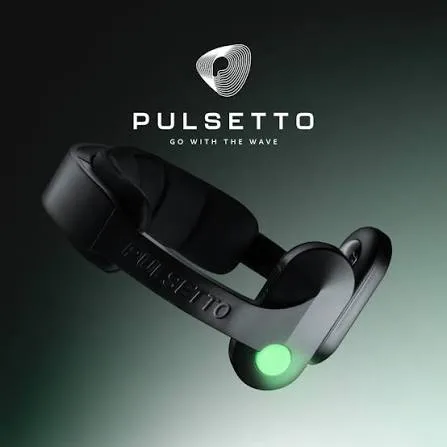
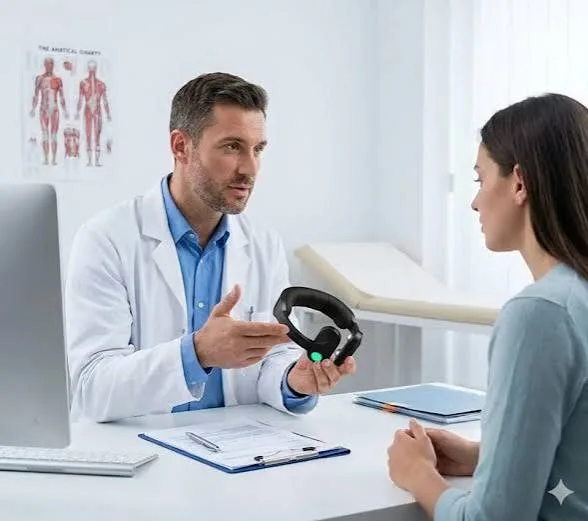
As shown in the image above, the device has drawn attention from healthcare professionals interested in non-pharmacological options for stress and sleep support. We’ve found that the appeal for many users lies less in dramatic, one-time effects and more in the ability to build a consistent, low-friction habit around nervous system regulation.
We recommend treating any vagus nerve stimulation device, including Pulsetto, as one component of a broader stress management approach that may also include sleep hygiene, physical activity, and professional support when needed. For readers who want to explore the device directly, the Pulsetto official website outlines its specifications and intended use in more detail.
Conclusion
In summary: Pulsetto for stress relief is grounded in an established physiological mechanism, vagus nerve stimulation, and offers a short, medication-free daily routine aimed at helping the body shift out of stress responses more efficiently.
The strongest evidence for vagal stimulation comes from clinical, invasive applications, while non-invasive consumer devices are still an emerging area of study. That said, the underlying science of the vagus nerve’s role in calming the body is well documented, and a short daily practice built around this pathway fits into a reasonable, low-risk approach to everyday stress management. For those exploring the Pulsetto official website, the device represents a practical entry point into this type of nervous system regulation.
Frequently Asked Questions
What is Pulsetto and how does it work for stress relief?
Pulsetto is a wearable vagus nerve stimulator that clips around the neck and delivers mild electrical pulses to activate the vagus nerve. This activation is designed to shift the body from a stressed, “fight-or-flight” state into a calmer, parasympathetic state within a few minutes of use.
How does vagus nerve stimulation reduce stress?
Vagus nerve stimulation reduces stress by activating the parasympathetic nervous system, which lowers heart rate, slows breathing, and reduces the physiological markers associated with acute stress. Over time, consistent stimulation may also support improved heart rate variability, a marker linked to better stress resilience.
Is Pulsetto backed by scientific research?
Pulsetto’s underlying mechanism, vagus nerve stimulation, is backed by decades of clinical research, including FDA-cleared implanted devices for epilepsy and depression. Non-invasive consumer devices like Pulsetto build on this established nerve pathway, though independent, large-scale trials specifically on consumer wearables are still developing.
How long does it take to feel results with Pulsetto?
Many users report a sense of calm within minutes of a single session, though improvements in sleep quality and stress resilience typically build with consistent daily use over several weeks. As with most nervous system regulation practices, results tend to be cumulative rather than immediate for every user.
Is Pulsetto safe to use daily?
Pulsetto is designed for daily use with sessions lasting around 4 minutes, and it does not involve medication. Individuals with pacemakers, other implanted electronic devices, or specific cardiac or neurological conditions should consult a physician before starting any vagus nerve stimulation routine.
Understanding how vagus nerve stimulation supports the body’s natural stress response is only the first step; seeing how that mechanism translates into a practical daily routine is where the real value becomes clear. Pulsetto was built specifically around this science, offering a doctor-recommended, medication-free way to help the body relax, sleep better, and manage stress in just 4 minutes a day. For readers
Similar Posts
Pulsetto Reviews 2024: Real Users Share Their Sleep and Stress Results
Pulsetto reviews 2024: real users share honest results on sleep and stress relief. See our hands-on test scores, pros, cons, and final verdict.
How Vagus Nerve Stimulation Works: Science Behind Stress Relief
Vagus nerve stimulation stress relief explained: how it calms your nervous system, its science, benefits, and safe use. Read the complete guide.
Technical analysis: pulsetto reddit
Pulsetto Reddit threads reveal real user experiences with vagus nerve stimulation for stress relief and sleep. See what the community really says.
Pulsetto official website
Pulsetto official website guide: learn how this doctor-recommended vagus nerve stimulator supports relaxation, sleep, and stress relief in 4 minutes a day.
pulsetto wellness device
Pulsetto wellness device delivers gentle vagus nerve stimulation for stress relief, better sleep, and relaxation in 4 minutes a day. See how it works.